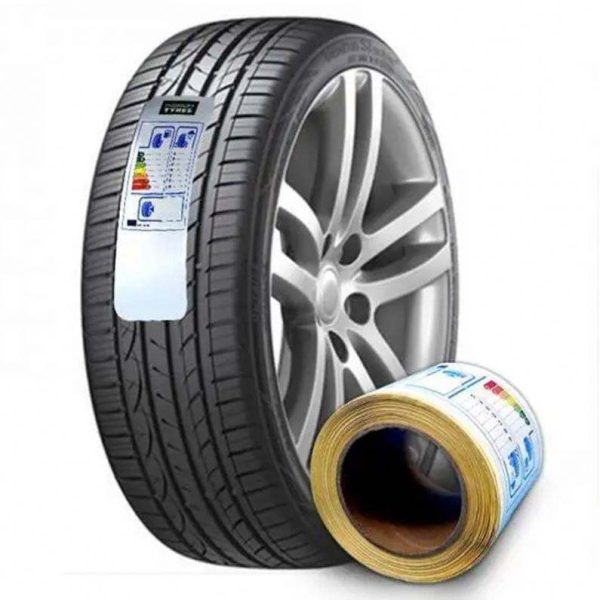
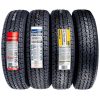
Originally designed to adapt to the rough, irregular surfaces of tires and harsh service environments, it has since expanded to other scenarios requiring high adhesion and weather resistance. Its core features focus on practical dimensions such as adhesion, environmental resistance, and material compatibility, as detailed below:
It uses tire-specific high-viscosity adhesive that can penetrate the concave surfaces and pattern gaps of tire surfaces. Even on rough, irregular curved surfaces like tires, it adheres firmly. Contaminants such as mold release agents on the tire surface will not affect the adhesion effect, and the adhesive will not damage the tire rubber material. Some models can also block plasticizers seeping from the tire surface, further preventing detachment and adapting to the long-term rolling use of tires.
- Temperature Resistance: Ordinary models can withstand temperatures above 80℃ generated during tire operation. Special tire vulcanization models can even endure vulcanization temperatures of 230℃, adapting to the vulcanization process in tire production. After vulcanization, they integrate seamlessly with the tire without discoloration or deformation.
- Multi-resistance: It is waterproof, oil-resistant, and wear-resistant, capable of withstanding rain erosion and engine oil contamination. If the surface is coated with a scratch-resistant layer, it can also endure friction with the ground and gravel impact during driving, maintaining clear text and patterns for long-term use. Additionally, some models are acid-resistant, alkali-resistant, and salt-resistant, adapting to various outdoor environments.
- Base Material Options: Common base materials include PET, synthetic paper, and wear-resistant rubber similar to tire materials. The 0.15mm-thick wear-resistant rubber base can closely fit the tire’s curvature, avoiding detachment during rolling.
- Protective Design: Some PET models have an aluminum-plated isolation layer on the adhesive side, which not only prevents glue penetration but also blocks chemical additives and volatile substances on the tire surface from contaminating the label, ensuring the label’s appearance and performance.
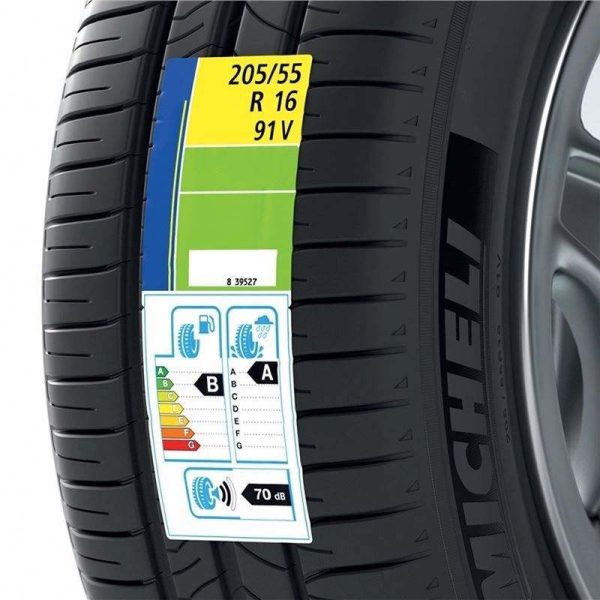
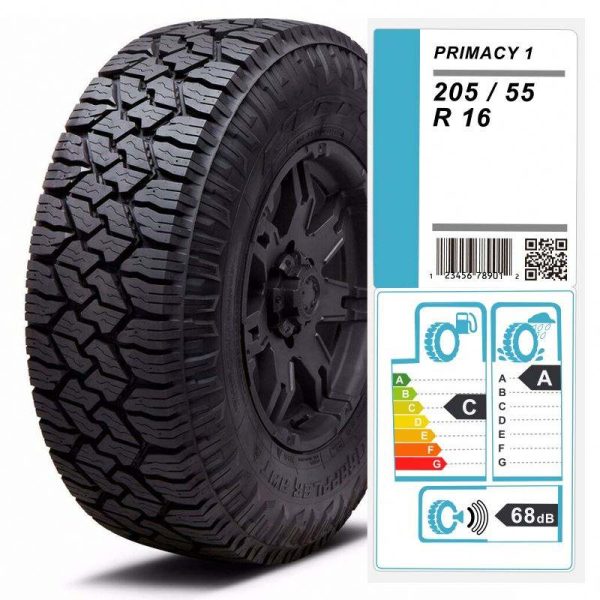
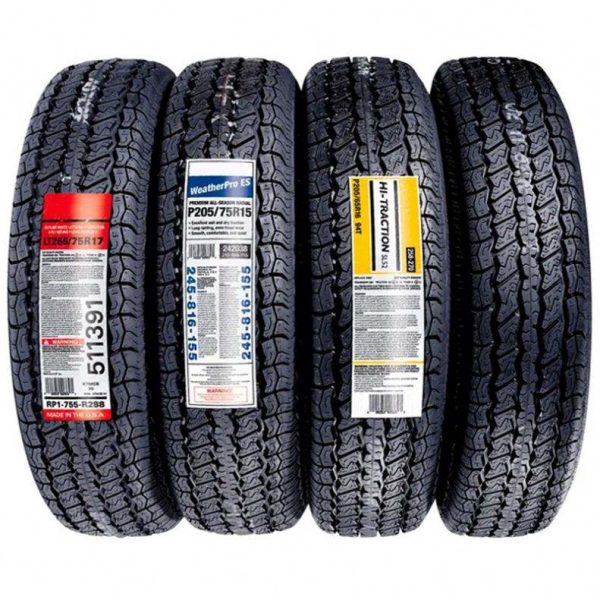
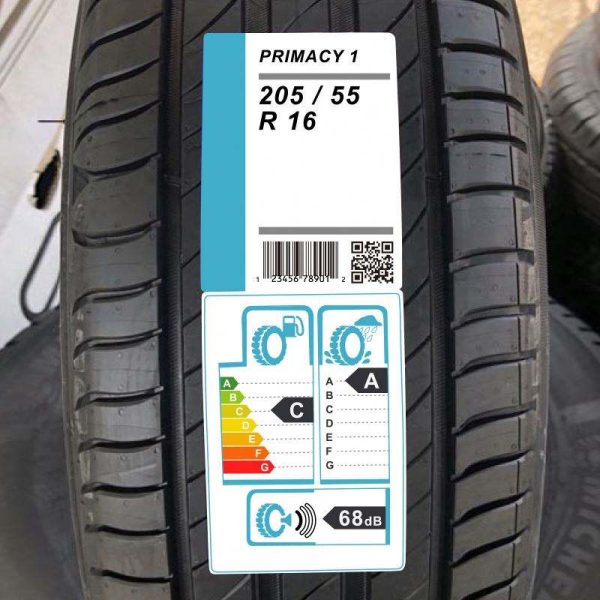
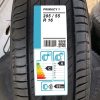
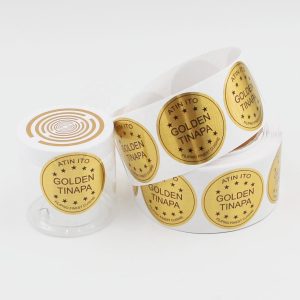
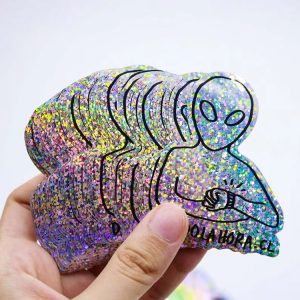
The surface is often equipped with a special coating, supporting multiple printing methods such as inkjet, laser, and thermal transfer. It can clearly print tire specifications, production dates, and other information, as well as customized patterns and text. Beyond its core use as tire identification, it is also suitable for factory equipment numbering, part identification, logistics cargo classification, personalized decoration (e.g., phone cases, notebooks), toolbox labels, and refrigerator food shelf-life labels, adapting to both industrial and daily scenarios.



Reviews
There are no reviews yet.