Address
Building C2, Zhanglong Logistics Park
Shiting Sub-district, Xiangcheng District, Zhangzhou City
Fujian Province, P.R. China
Work Hours
Monday to Friday: 7AM - 7PM
Weekend: 10AM - 5PM
Address
Building C2, Zhanglong Logistics Park
Shiting Sub-district, Xiangcheng District, Zhangzhou City
Fujian Province, P.R. China
Work Hours
Monday to Friday: 7AM - 7PM
Weekend: 10AM - 5PM
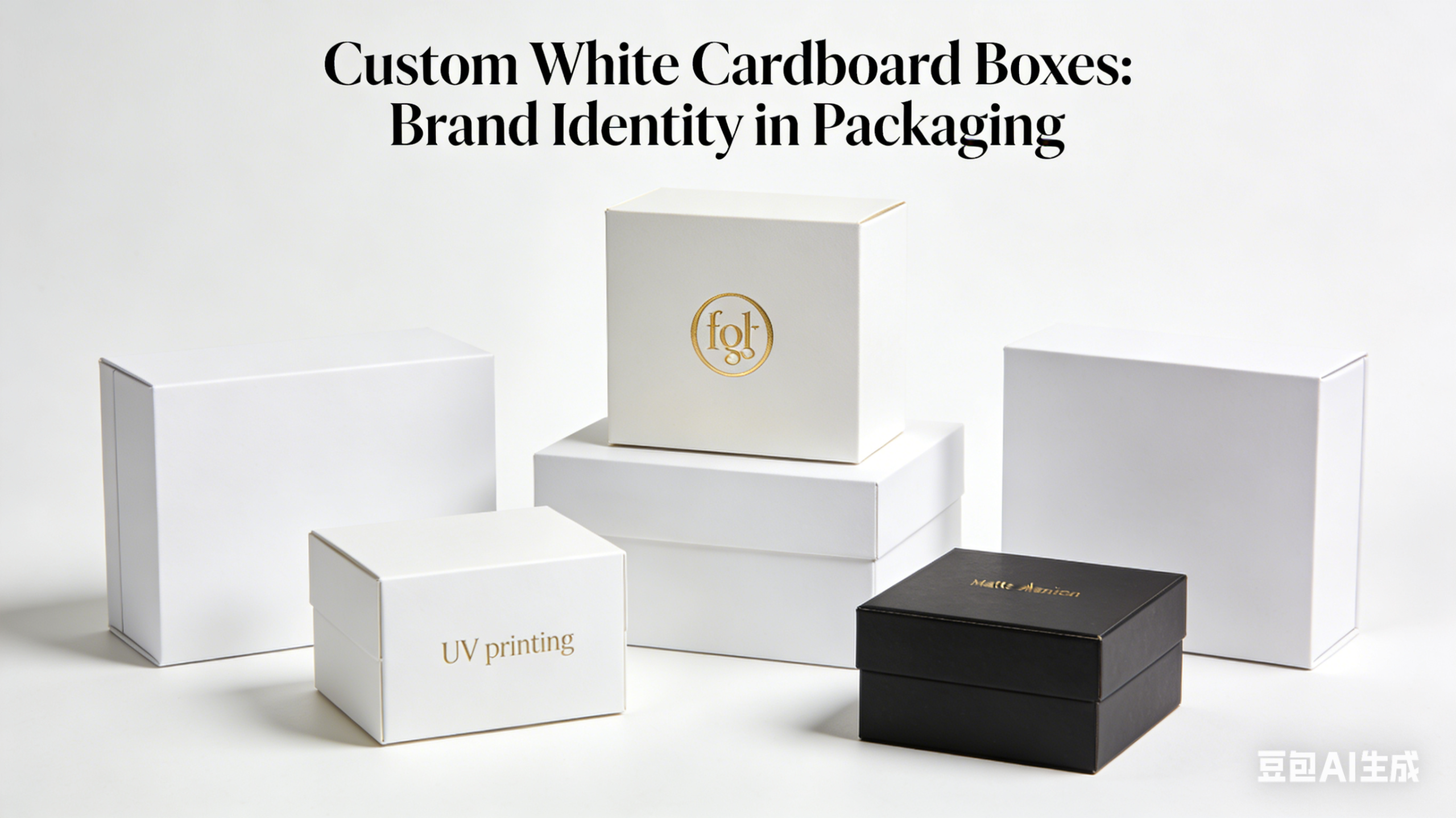
In the competitive landscape of 2025, packaging is no longer just a protective layer—it’s a brand ambassador, a sustainability statement, and a key driver of customer loyalty. Among the countless packaging options available, white cardboard boxes stand out as a timeless yet innovative choice, trusted by industries ranging from e-commerce and cosmetics to food and luxury goods. The global cardboard packaging market is set to reach $580 billion by 2032, with white cardboard variants growing at a 5.8% CAGR, fueled by their adaptability, cost-effectiveness, and ability to elevate brand visibility. This article explores why white cardboard boxes are a top packaging pick in 2025, their key benefits, applications, material innovations, and actionable tips for brands to leverage them—all optimized for SEO to help your business rank for high-intent search terms.
White cardboard boxes have transcended their basic packaging role to become a strategic tool for brands. Their popularity in 2025 stems from a unique blend of aesthetic appeal, functional performance, and alignment with modern consumer and business priorities.
The blank white canvas of these boxes offers unparalleled customization potential— a critical advantage in a market where 72% of consumers say packaging design influences their purchasing decisions (Nielsen, 2024). Whether through vibrant digital printing, minimalist embossing, gold foil stamping, or matte laminates, white cardboard boxes let brands translate their identity into tangible packaging. For example, Glossier’s signature white cardboard skincare boxes, adorned with subtle logo embossing, have become synonymous with the brand’s “clean beauty” ethos, turning unboxing into a memorable experience.
SEO tip: Incorporate keywords like “custom printed white cardboard boxes 2025” and “branded white cardboard packaging” to capture search intent from marketing and branding teams seeking to differentiate their products.
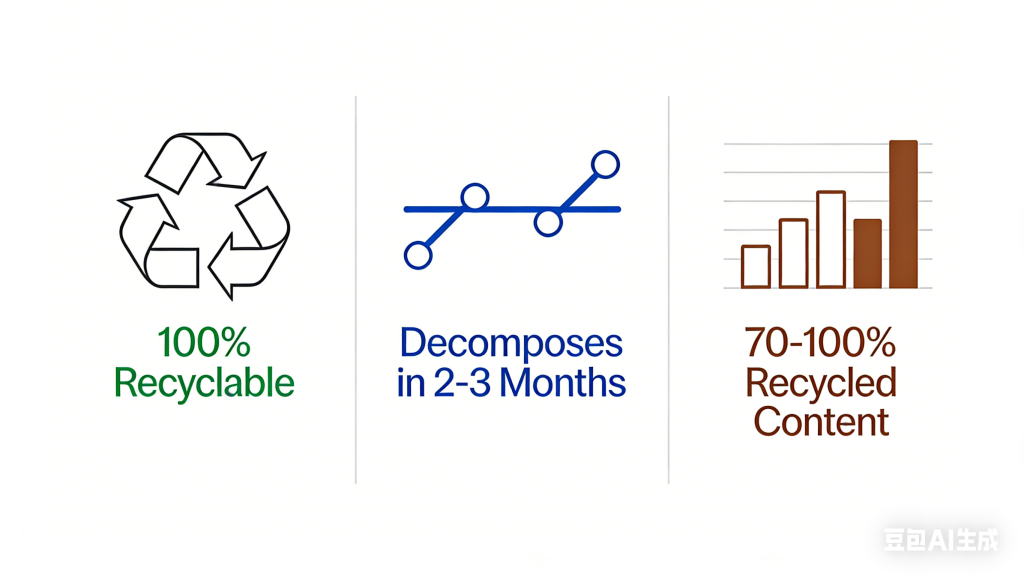
Sustainability remains a top priority for 68% of global consumers, who are willing to pay 10% more for products in eco-friendly packaging (McKinsey, 2025). White cardboard boxes excel here: most are made from 70-100% recycled content, are fully curbside recyclable, and biodegradable. Unlike plastic packaging, which can take centuries to decompose, cardboard breaks down in 2-3 months in landfills. Brands like Patagonia use white cardboard boxes for their apparel shipments, highlighting the material’s recycled credentials on the packaging itself to reinforce their sustainability values.
In 2025, innovations like water-based inks and compostable coatings have made white cardboard boxes even more eco-friendly. SEO-focused phrases such as “sustainable white cardboard boxes” and “recyclable white cardboard packaging” resonate with eco-conscious brands and consumers searching for green solutions.
For small businesses and large corporations alike, cost efficiency is non-negotiable. White cardboard boxes are affordable due to the abundance of raw materials, streamlined manufacturing processes, and lightweight design (which reduces shipping costs). Bulk ordering further lowers per-unit prices— a 500-box order typically costs 20-30% less per unit than custom plastic packaging. E-commerce giants like Etsy report that sellers using white cardboard boxes save an average of 15% on packaging and shipping annually compared to alternative materials.
SEO keywords like “affordable white cardboard boxes” and “bulk white cardboard packaging” attract small business owners and e-commerce sellers searching for budget-friendly options without sacrificing quality.
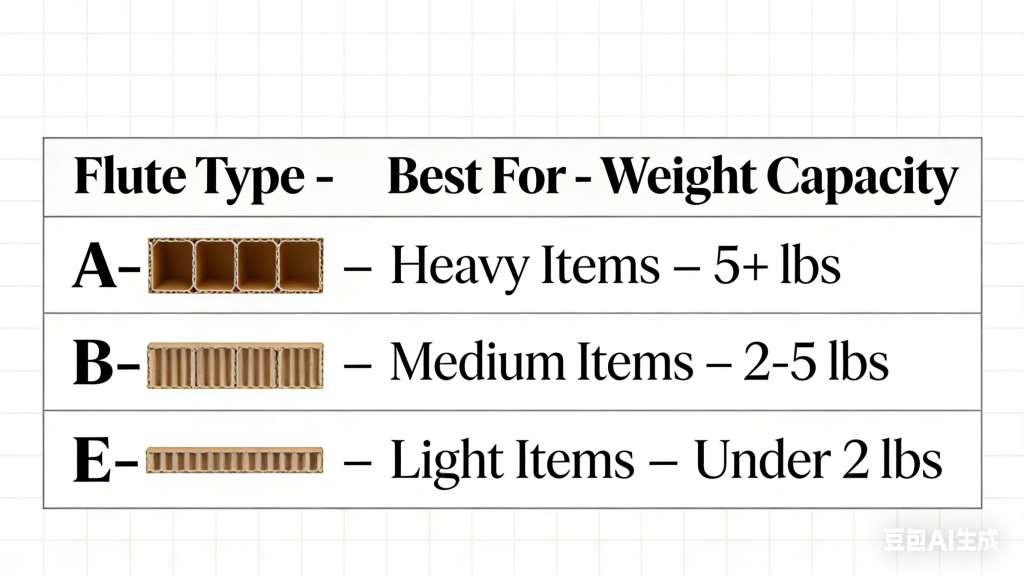
Despite their lightweight nature, white cardboard boxes offer impressive durability when engineered with the right flute size (the wavy layer between cardboard sheets). For fragile items like electronics or glassware, E-flute or B-flute white cardboard provides cushioning to prevent damage during transit— critical in an era where 30% of online returns are due to packaging-related issues (ShipBob, 2025). Brands like Apple use reinforced white cardboard boxes for their accessory shipments, ensuring products arrive intact while maintaining a premium look.
Including terms like “durable white cardboard boxes for shipping” and “fragile item white cardboard packaging” helps capture search intent from logistics and operations teams prioritizing product safety.
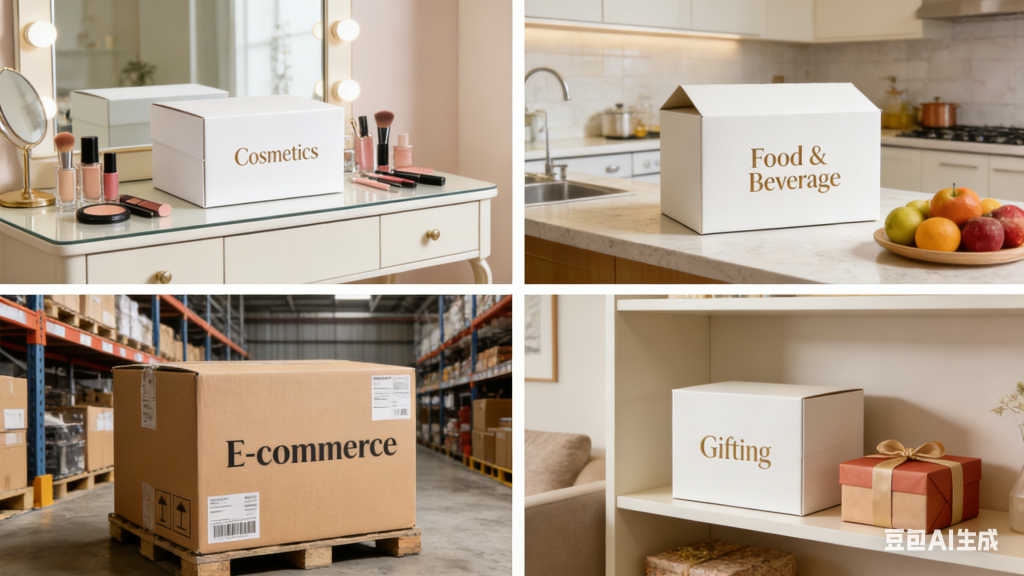
The versatility of white cardboard boxes makes them suitable for nearly every industry. Below are the top sectors leveraging their benefits this year:
E-commerce accounts for 23% of global retail sales in 2025, and white cardboard boxes are the go-to for shipping everything from clothing to home goods. Their customizable design turns plain shipping boxes into brand touchpoints— many brands add QR codes to white cardboard boxes that link to unboxing guides or loyalty programs, boosting customer engagement. SEO terms like “e-commerce white cardboard shipping boxes” and “retail white cardboard packaging” target this high-volume segment.
The beauty industry relies on packaging to convey luxury, and white cardboard boxes deliver. Brands use them for skincare sets, makeup palettes, and perfume gift boxes, pairing the white base with metallic accents or soft pastels to create a premium feel. L’Oréal’s recent line of organic skincare uses white cardboard boxes with soy-based ink printing, appealing to eco-conscious beauty buyers. Keywords like “luxury white cardboard cosmetic boxes” and “beauty product white cardboard packaging” align with this sector’s search habits.
Food-safe white cardboard boxes are ideal for bakery items, gourmet snacks, and beverage carriers. They’re grease-resistant (when coated with food-grade laminates) and can be customized with nutritional information, brand stories, or QR codes linking to recipes. A 2025 survey by the Food Marketing Institute found that 55% of consumers prefer food packaging that is both recyclable and visually appealing— a sweet spot for white cardboard boxes. SEO phrases like “food-safe white cardboard boxes” and “gourmet snack white cardboard packaging” target food brands and retailers.
White cardboard boxes are a staple for gift packaging, thanks to their clean, timeless look. Brands customize them for holidays, birthdays, or corporate gifting, adding ribbons, stickers, or personalized messages. Luxury brands like Tiffany & Co. have long used white (and their iconic blue) cardboard boxes for gifts, proving that simplicity can convey elegance. Keywords like “white cardboard gift boxes” and “custom holiday white cardboard packaging” capture seasonal and gifting-related search intent.
Advancements in materials are making white cardboard boxes even more versatile and sustainable in 2025. Here are the innovations brands should watch:
Hydrophobic coatings (made from plant-based waxes) now make white cardboard boxes water-resistant, expanding their use to outdoor events, cosmetic samples, and refrigerated food items. These coatings add minimal cost but increase durability by 40%, according to packaging manufacturer International Paper.
This material combines the sustainability of kraft cardboard with the clean look of white cardboard, using 100% recycled fibers and a natural white tint (no bleaching required). It’s popular with brands targeting eco-conscious millennials and Gen Z, who value transparency in packaging materials.
New manufacturing techniques have created white cardboard that is 20% thinner but 30% stronger than traditional variants. This reduces material use (and waste) while maintaining durability— perfect for lightweight products like apparel or stationery.
Selecting the best white cardboard box requires balancing your product’s needs, brand identity, and budget. Follow these steps:
Choose water-based inks, compostable laminates, and recycled materials to align with consumer demands. Highlight these features on the box and your website to boost trust and SEO.
Working with a supplier that offers in-house printing and customization (like Packlane or Uline) ensures your white cardboard boxes meet your brand’s exact specifications. Many suppliers also provide free samples, so you can test durability and design before bulk ordering.
The Good Supply, a sustainable home goods brand, struggled with low unboxing engagement and high return rates due to flimsy packaging. In 2024, they switched to custom white cardboard boxes with E-flute strength, water-based ink printing (featuring their logo and sustainability mission), and a QR code linking to product care guides.
The results were striking: unboxing posts on Instagram increased by 65%, return rates dropped by 22%, and sales rose by 18% in six months. By optimizing their website with keywords like “sustainable white cardboard home goods boxes” and “custom printed white cardboard packaging,” they also saw a 40% increase in organic search traffic.
In 2025, white cardboard boxes are more than just packaging— they’re a flexible, sustainable, and cost-effective way to build brand recognition, reduce environmental impact, and delight customers. Their customizable design, durability, and alignment with consumer values make them a smart choice for brands of all sizes, from small e-commerce sellers to global corporations.
By leveraging material innovations, prioritizing sustainability, and optimizing your digital presence with targeted SEO keywords, you can turn white cardboard boxes into a powerful tool for growth. Whether you’re shipping products, packaging gifts, or launching a new beauty line, white cardboard boxes offer the perfect blend of form and function to help your brand stand out in 2025 and beyond.